

Creating a pet bottle spray with a uniform spray distribution is a fascinating process that combines science, engineering, and a bit of creativity. As a pet bottle spray supplier, I've had the privilege of exploring various techniques and methods to achieve the best possible spray patterns. In this blog post, I'll share some insights on how to make a pet bottle spray with a uniform spray distribution, along with some tips and tricks that can help you optimize your spray design.
Understanding the Basics of Spray Distribution
Before we dive into the details of making a pet bottle spray, it's important to understand the basics of spray distribution. A uniform spray distribution means that the liquid is evenly dispersed over a given area, without any clumps or uneven spots. This is crucial for applications such as cleaning, gardening, and personal care, where a consistent and even spray is essential for effective results.

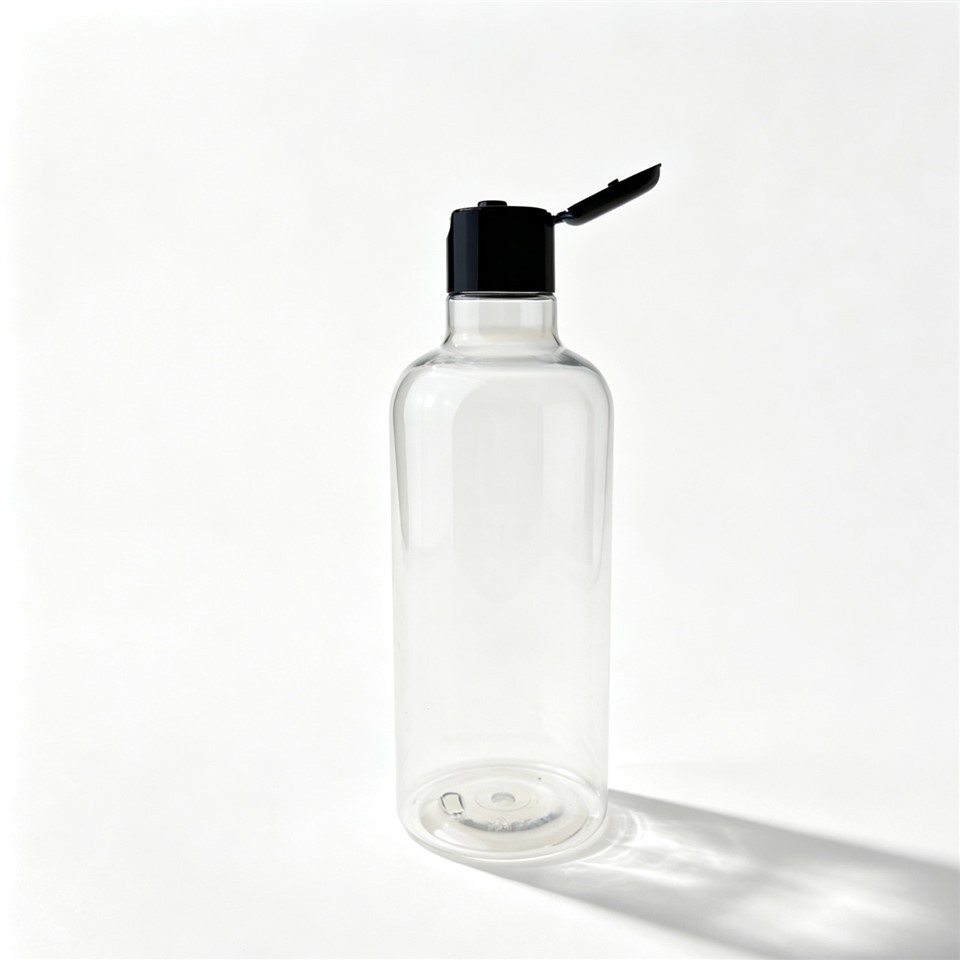
The key factors that affect spray distribution include the nozzle design, the pressure of the liquid, and the viscosity of the liquid. Let's take a closer look at each of these factors.
Nozzle Design
The nozzle is the most critical component of a pet bottle spray, as it determines the shape and pattern of the spray. There are several types of nozzles available, each with its own unique characteristics. Some common nozzle designs include:
- Conical Nozzles: These nozzles produce a cone-shaped spray pattern, which is ideal for applications where a wide coverage area is required.
- Fan Nozzles: Fan nozzles produce a flat, fan-shaped spray pattern, which is suitable for applications where a more focused and even spray is needed.
- Mist Nozzles: Mist nozzles produce a fine mist of droplets, which is ideal for applications such as humidification and air freshening.
When choosing a nozzle for your pet bottle spray, it's important to consider the specific application and the desired spray pattern. You may also want to experiment with different nozzle designs to find the one that works best for your needs.
Pressure of the Liquid
The pressure of the liquid is another important factor that affects spray distribution. The higher the pressure, the finer the droplets and the more uniform the spray pattern. However, too much pressure can also cause the liquid to atomize too much, resulting in a mist that is difficult to control.
To achieve the optimal pressure for your pet bottle spray, you can use a pump or a pressurized container. A pump is a simple and cost-effective way to increase the pressure of the liquid, while a pressurized container can provide a more consistent and reliable spray.
Viscosity of the Liquid
The viscosity of the liquid also plays a role in spray distribution. Liquids with a high viscosity, such as thick oils or creams, tend to produce larger droplets and a less uniform spray pattern. On the other hand, liquids with a low viscosity, such as water or alcohol, tend to produce smaller droplets and a more uniform spray pattern.
To ensure a uniform spray distribution, it's important to choose a liquid with the appropriate viscosity for your application. You may also want to add a thinning agent or a surfactant to the liquid to reduce its viscosity and improve its sprayability.
Steps to Make a Pet Bottle Spray with a Uniform Spray Distribution
Now that we've covered the basics of spray distribution, let's take a look at the steps involved in making a pet bottle spray with a uniform spray distribution.
Step 1: Choose the Right Pet Bottle
The first step in making a pet bottle spray is to choose the right bottle. There are several types of pet bottles available, including Pet Cylinder Bottles, Fancy Pet Bottles, and Pet Bottle 300ml. When choosing a bottle, it's important to consider the size, shape, and capacity of the bottle, as well as the type of liquid you'll be using.
Step 2: Select the Right Nozzle
Once you've chosen the right pet bottle, the next step is to select the right nozzle. As we mentioned earlier, there are several types of nozzles available, each with its own unique characteristics. When choosing a nozzle, it's important to consider the specific application and the desired spray pattern. You may also want to experiment with different nozzle designs to find the one that works best for your needs.
Step 3: Prepare the Liquid
Before filling the pet bottle with the liquid, it's important to prepare the liquid properly. This may involve mixing the liquid with a thinning agent or a surfactant to reduce its viscosity and improve its sprayability. You may also want to filter the liquid to remove any impurities or particles that could clog the nozzle.
Step 4: Fill the Pet Bottle
Once the liquid is prepared, the next step is to fill the pet bottle with the liquid. Make sure to leave some space at the top of the bottle to allow for expansion and to prevent the liquid from overflowing. You may also want to use a funnel to make the filling process easier and more accurate.
Step 5: Attach the Nozzle
After filling the pet bottle with the liquid, the next step is to attach the nozzle. Make sure to tighten the nozzle securely to prevent any leaks or spills. You may also want to test the spray pattern to make sure it's uniform and consistent.
Step 6: Adjust the Spray Pattern
If the spray pattern is not uniform or consistent, you may need to adjust the nozzle or the pressure of the liquid. You can do this by adjusting the nozzle settings or by using a pump or a pressurized container to increase the pressure of the liquid.
Tips and Tricks for Optimizing Spray Distribution
In addition to following the steps outlined above, there are several tips and tricks that can help you optimize the spray distribution of your pet bottle spray. Here are some of the most effective tips and tricks:
- Use a High-Quality Nozzle: A high-quality nozzle can make a big difference in the spray distribution of your pet bottle spray. Look for a nozzle that is made of high-quality materials and has a precise and consistent spray pattern.
- Clean the Nozzle Regularly: Over time, the nozzle can become clogged with dirt, debris, or dried liquid, which can affect the spray distribution. To prevent this, it's important to clean the nozzle regularly using a mild detergent and warm water.
- Store the Pet Bottle Properly: When not in use, it's important to store the pet bottle in a cool, dry place to prevent the liquid from evaporating or spoiling. You may also want to store the pet bottle in an upright position to prevent any leaks or spills.
- Experiment with Different Liquids: Different liquids have different viscosities and properties, which can affect the spray distribution of your pet bottle spray. To find the best liquid for your application, you may want to experiment with different liquids and see which one produces the most uniform and consistent spray pattern.
Conclusion
Making a pet bottle spray with a uniform spray distribution is a challenging but rewarding process. By understanding the basics of spray distribution, choosing the right pet bottle and nozzle, preparing the liquid properly, and following the tips and tricks outlined above, you can create a pet bottle spray that produces a consistent and even spray pattern.
As a pet bottle spray supplier, I'm committed to providing high-quality products and services to my customers. If you're interested in purchasing pet bottle sprays or learning more about our products, please feel free to contact us for a quote or to discuss your specific needs. We look forward to hearing from you!
References
- "Spray Nozzle Handbook" by Spraying Systems Co.
- "Fluid Mechanics" by Frank M. White
- "Chemical Engineering Thermodynamics" by J.M. Smith, H.C. Van Ness, and M.M. Abbott