

As a supplier of PP Food Jars, I understand the common issue many consumers face: food sticking inside the jars. This not only makes it difficult to clean but can also lead to food waste. In this blog, I'll share some practical tips on how to prevent food from sticking in a PP Food Jar, ensuring you get the most out of your storage containers.

Understanding PP Material
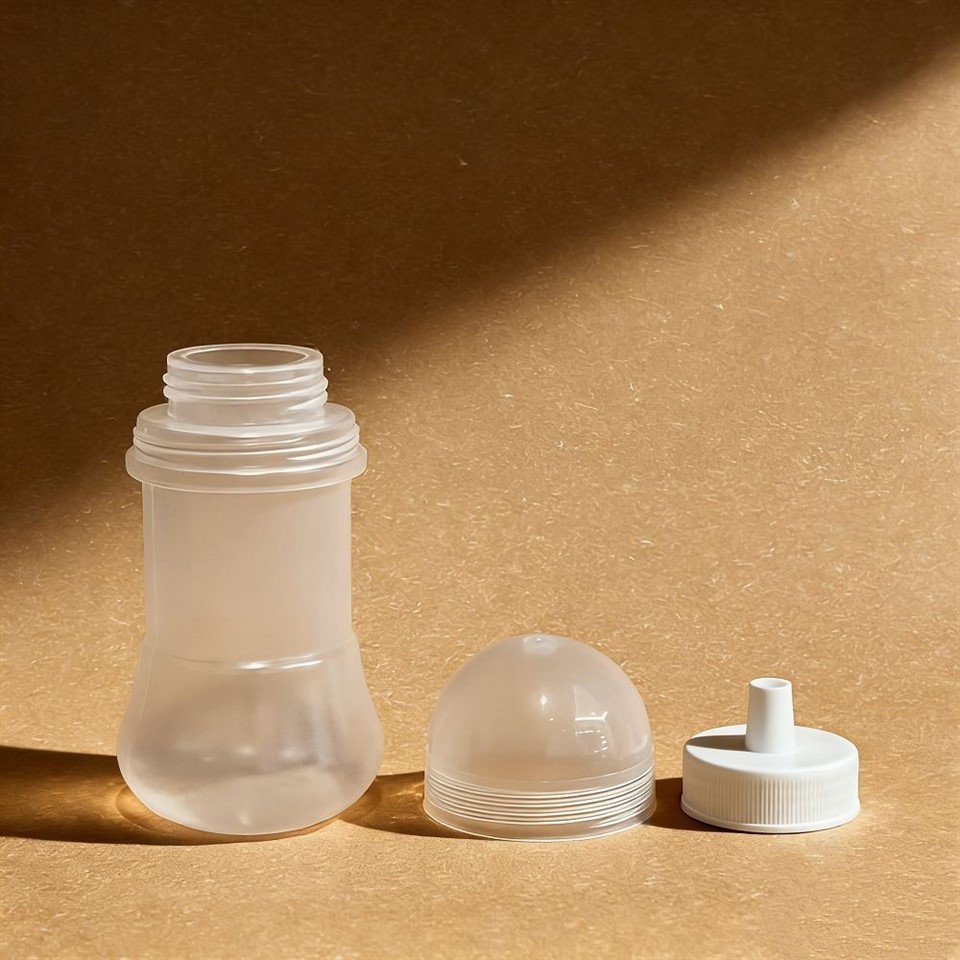
Before diving into prevention methods, it's essential to understand the properties of polypropylene (PP), the material used in our PP Food Jars. PP is a thermoplastic polymer known for its high heat resistance, chemical resistance, and durability. It's also lightweight and has a relatively smooth surface, which generally makes it less prone to food sticking compared to some other materials. However, certain types of food can still adhere to the surface, especially if not properly stored or handled.
Preparing the Jar
- Clean and Dry Thoroughly: Before using a new PP Food Jar, make sure it's clean and dry. Wash it with warm, soapy water, rinse thoroughly, and dry it completely. Any residual moisture can cause food to stick more easily.
- Season the Jar: For some types of food, especially those with high fat content, seasoning the jar can help prevent sticking. You can do this by rubbing a small amount of oil or butter on the inside surface of the jar, then wiping it off with a clean cloth. This creates a thin, non - stick layer.
Choosing the Right Food
- Avoid Sticky Foods Without Precautions: Some foods, such as honey, molasses, and thick sauces, are naturally sticky and more likely to adhere to the jar. If you need to store these types of foods, consider using a liner or a separator. For example, you can line the jar with parchment paper or a silicone liner before adding the sticky food.
- Cut Food into Smaller Pieces: When storing solid foods like fruits or vegetables, cutting them into smaller, uniform pieces can help prevent them from clumping together and sticking to the jar. This also allows for better air circulation inside the jar, which can extend the shelf life of the food.
Storage Techniques
- Leave Some Headspace: When filling the PP Food Jar, leave some headspace at the top. This allows for expansion of the food, especially if it's going to be frozen or if it contains liquids that may expand when heated. Overfilling the jar can cause the food to be compressed against the sides, increasing the likelihood of sticking.
- Store at the Right Temperature: Different foods have different optimal storage temperatures. For most foods, storing them in a cool, dry place is ideal. If you're storing food in the refrigerator, make sure the jar is properly sealed to prevent moisture from getting in. For frozen foods, ensure the jar is freezer - safe and that the food is frozen quickly to prevent ice crystals from forming, which can also cause sticking.
Using Additives
- Anti - Stick Agents: There are various anti - stick agents available on the market that can be used in PP Food Jars. These can be in the form of sprays or powders. Before using any additive, make sure it's safe for food contact. Some common anti - stick agents include food - grade silicone sprays, which create a slippery surface and prevent food from adhering.
- Natural Anti - Stick Options: You can also use natural substances like lemon juice or vinegar. Wiping the inside of the jar with a cloth soaked in lemon juice or vinegar can help create a slightly acidic environment that reduces sticking. These natural options are not only effective but also safe and eco - friendly.
Cleaning and Maintenance
- Clean Immediately After Use: The longer food sits in the jar, the more likely it is to stick. As soon as you're done using the jar, empty the remaining food and wash it with warm, soapy water. Use a soft sponge or brush to gently scrub the inside of the jar, paying special attention to any areas where food may be stuck.
- Soak Stubborn Stains: If there are stubborn stains or stuck food, soak the jar in warm, soapy water for a few hours or overnight. This can help loosen the food and make it easier to clean. You can also add a small amount of baking soda to the water for extra cleaning power.
The Role of PP Refill Bottles
In addition to our PP Food Jars, we also offer PP Refill Bottles. These bottles are a great option for storing liquids or semi - liquid foods. They are designed with a similar non - stick surface to our food jars, and the same prevention methods apply. Whether you're storing salad dressings, syrups, or other liquid foods, following the tips above can help keep your PP Refill Bottles clean and free of sticking.
Conclusion
Preventing food from sticking in a PP Food Jar is a combination of proper preparation, storage, and cleaning. By understanding the properties of PP material, choosing the right food, using appropriate storage techniques, and maintaining the jar regularly, you can ensure that your food stays fresh and the jar remains easy to clean.
If you're interested in purchasing our high - quality PP Food Jars or PP Refill Bottles, we welcome you to contact us for a purchase negotiation. We're committed to providing the best products and services to meet your needs.
References
- "Polypropylene: Properties, Processing, and Applications" by X. Zhang
- "Food Storage and Preservation" by M. Smith