

The history of PE (Polyethylene) bottles is a fascinating journey that spans several decades, marked by innovation, technological advancements, and changing consumer needs. As a PE bottle supplier, I've witnessed firsthand the evolution of these containers and their impact on various industries. In this blog, we'll delve into the rich history of PE bottles, exploring their development, applications, and the future of this versatile packaging solution.
The Birth of Polyethylene
The story of PE bottles begins with the discovery of polyethylene in the 1930s. In 1933, Eric Fawcett and Reginald Gibson, chemists at Imperial Chemical Industries (ICI) in the United Kingdom, accidentally discovered polyethylene while experimenting with high-pressure reactions between ethylene and benzaldehyde. This serendipitous discovery led to the development of the first commercial polyethylene in 1939, known as low-density polyethylene (LDPE).
LDPE is a soft, flexible plastic with excellent transparency and moisture resistance. It quickly found applications in various industries, including packaging, electrical insulation, and consumer goods. The first PE bottles were made from LDPE and were used primarily for packaging household products such as detergents, shampoos, and lotions.
The Rise of High-Density Polyethylene (HDPE)
In the 1950s, Karl Ziegler and Giulio Natta independently developed a new type of polyethylene called high-density polyethylene (HDPE). HDPE is a stronger, more rigid plastic than LDPE, with better chemical resistance and higher melting point. This made it ideal for applications that required more durability and strength, such as packaging for industrial chemicals, food products, and pharmaceuticals.
The introduction of HDPE revolutionized the PE bottle industry. HDPE bottles were lighter, more cost-effective, and more environmentally friendly than traditional glass and metal containers. They also offered better protection against moisture, oxygen, and other contaminants, which helped to extend the shelf life of products.
Technological Advancements in PE Bottle Manufacturing
Over the years, technological advancements have played a crucial role in the development of PE bottles. One of the most significant advancements was the introduction of blow molding, a manufacturing process that allows for the production of seamless, one-piece bottles. Blow molding involves heating a plastic tube, called a parison, and then blowing air into it to expand it into the shape of a mold. This process is highly efficient and can produce bottles in a variety of shapes and sizes.
Another important advancement was the development of co-extrusion technology, which allows for the production of multi-layered bottles. Co-extrusion involves combining two or more different types of plastic to create a bottle with enhanced properties, such as improved barrier performance, strength, and durability. Multi-layered PE bottles are commonly used for packaging products that require a high level of protection, such as food, beverages, and pharmaceuticals.
Applications of PE Bottles
PE bottles are used in a wide range of industries, including food and beverage, personal care, pharmaceuticals, and household products. Here are some of the most common applications of PE bottles:
- Food and Beverage: PE bottles are widely used for packaging food and beverages, such as water, juice, milk, and soft drinks. They are lightweight, shatterproof, and have excellent barrier properties, which help to preserve the freshness and quality of the products.
- Personal Care: PE bottles are also commonly used for packaging personal care products, such as shampoo, conditioner, lotion, and soap. They are easy to use, have a smooth surface, and can be easily labeled with product information.
- Pharmaceuticals: PE bottles are used for packaging pharmaceuticals, such as tablets, capsules, and liquid medications. They are designed to protect the products from moisture, light, and other contaminants, and to ensure their stability and efficacy.
- Household Products: PE bottles are used for packaging household products, such as detergents, cleaners, and disinfectants. They are durable, resistant to chemicals, and can be easily recycled.
The Future of PE Bottles
As the demand for sustainable packaging solutions continues to grow, the future of PE bottles looks promising. Manufacturers are increasingly focusing on developing more environmentally friendly PE bottles, such as those made from recycled materials or biodegradable plastics. They are also exploring new technologies and designs to improve the performance and functionality of PE bottles.
One of the key trends in the PE bottle industry is the development of lightweight bottles. By reducing the weight of the bottles, manufacturers can save on raw materials and transportation costs, while also reducing the environmental impact of the packaging. Another trend is the use of smart packaging technologies, such as sensors and indicators, to provide consumers with information about the product's freshness, quality, and safety.
Our PE Bottle Offerings
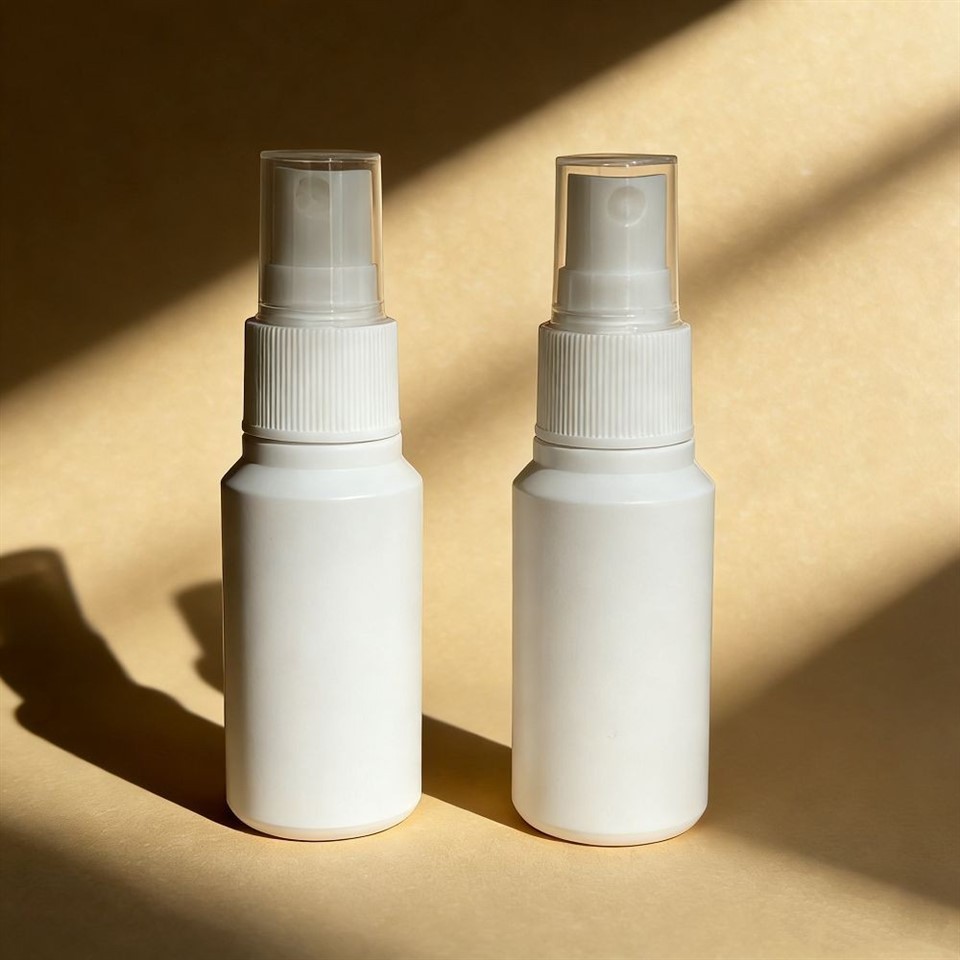
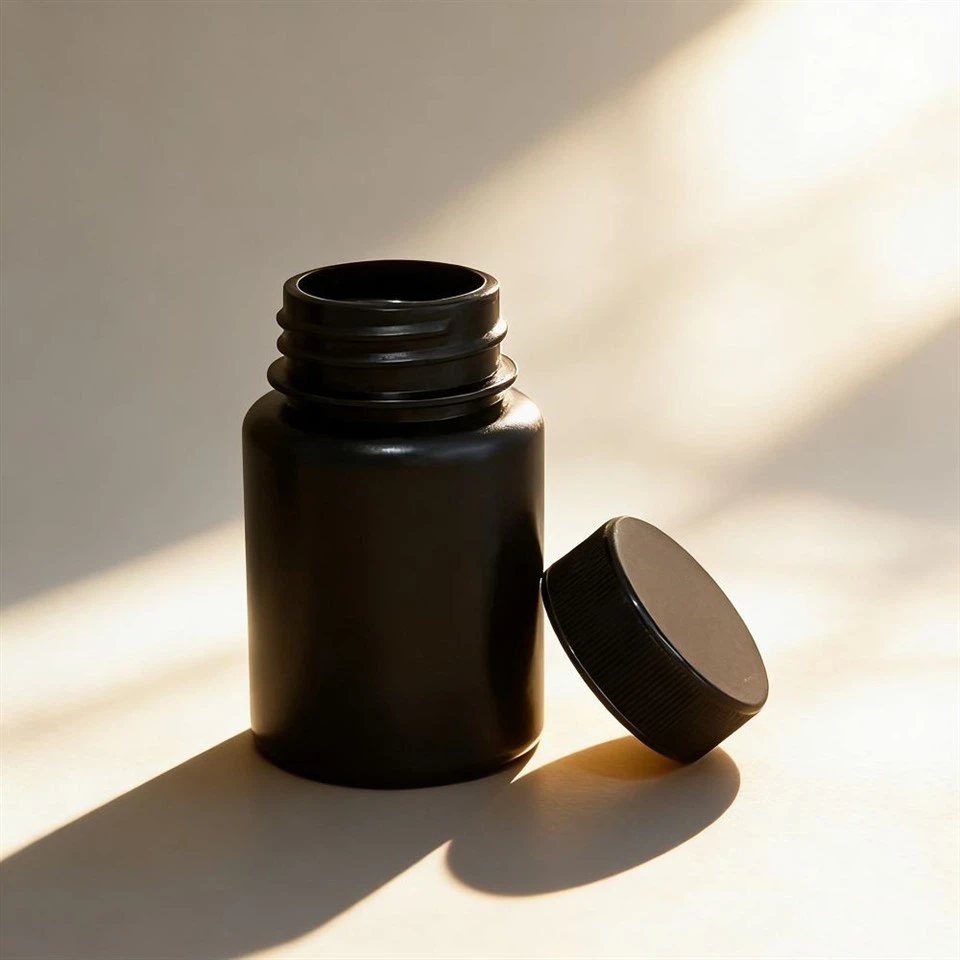
As a PE bottle supplier, we offer a wide range of high-quality PE bottles to meet the needs of our customers. Our product portfolio includes Round Hdpe Bottle, PE Spray Bottle, and Hdpe Capsule Bottle, among others. Our bottles are available in a variety of sizes, shapes, and colors, and can be customized to meet your specific requirements.
We are committed to providing our customers with the best possible products and services. Our team of experts has extensive experience in the PE bottle industry and can help you choose the right bottle for your application. We also offer competitive pricing, fast turnaround times, and excellent customer support.
Contact Us for Procurement
If you're interested in purchasing PE bottles for your business, we'd love to hear from you. Please contact us to discuss your requirements and to receive a quote. Our team will be happy to assist you with your procurement needs and to provide you with the information you need to make an informed decision.
References
- "The History of Polyethylene." PlasticsEurope. Accessed [Date].
- "High-Density Polyethylene (HDPE)." American Chemistry Council. Accessed [Date].
- "Blow Molding." Plastics Technology. Accessed [Date].
- "Co-Extrusion Technology." Packaging Digest. Accessed [Date].