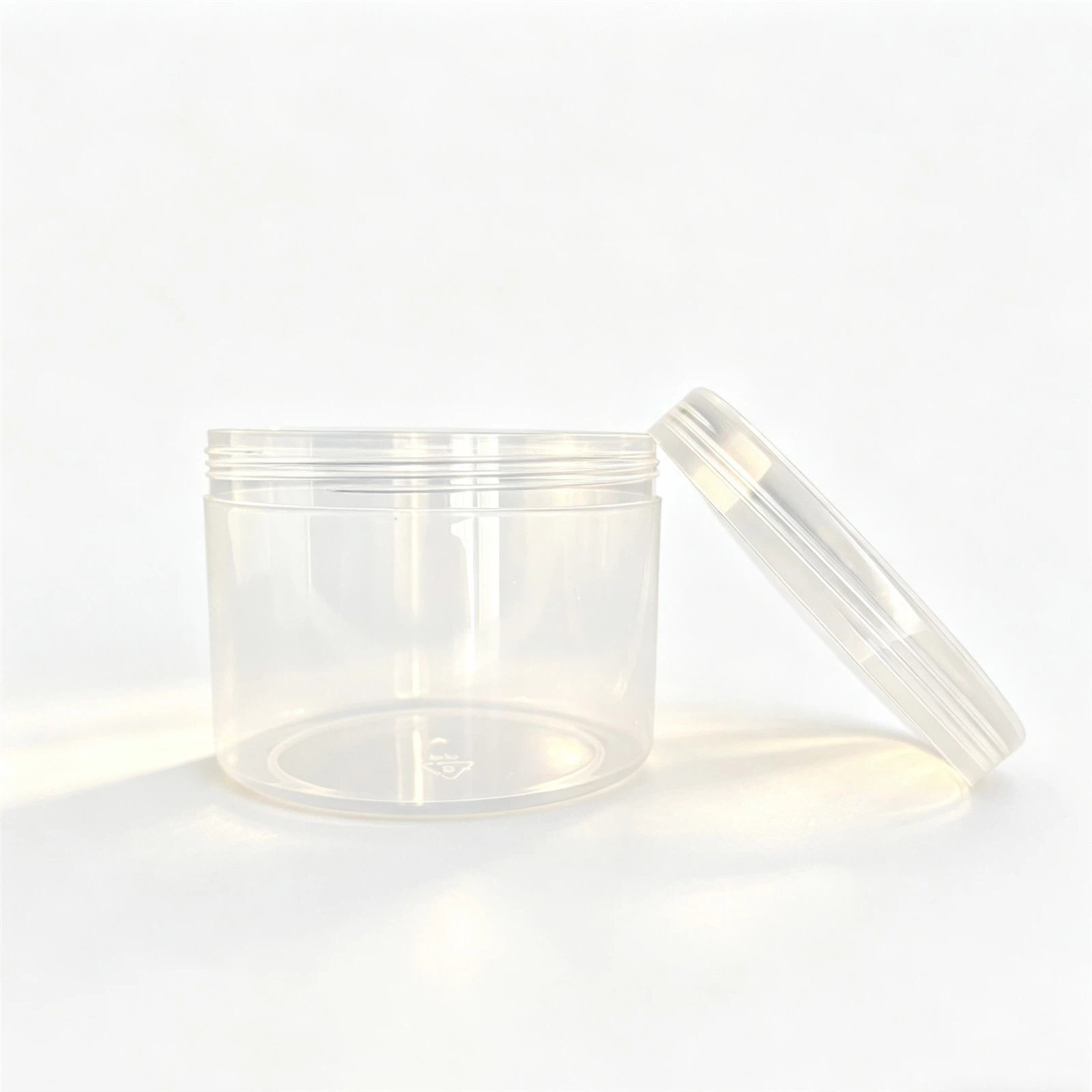
PP (polypropylene) is a quintessential plastic material, commonly found in everyday items such as beverage bottles and food containers. It is characterized by its lightweight nature, resistance to acids and alkalis, and ability to withstand high temperatures-up to 120°C-making it suitable for microwave heating. Compared to silicone, PP possesses greater hardness and produces a crisp, distinct sound when tapped; silicone, conversely, is soft and pliable-often foldable-and is frequently utilized in products such as baby pacifiers.
Why are they easily confused?
Transparent Appearance: Some PP bottles bear a visual resemblance to silicone bottles.
Safety Certification: Both materials have successfully passed food-grade safety testing.
Overlapping Applications: Both can be utilized as containers for liquids.
However, fundamentally speaking, PP is a thermoplastic polymer typically formed through injection molding, whereas silicone is an elastomer that requires vulcanization to set its shape.
A Guide to Avoiding Pitfalls When Buying
Check the Label: Look for the number "5" inside the triangular recycling symbol on the bottom of the bottle; this indicates PP material.
Feel the Texture: PP surfaces are smooth, whereas silicone typically possesses a matte or slightly textured finish.
Test the Elasticity: PP retains its shape when pressed, whereas silicone is resilient and will spring back to its original form.
Check for Odor: New PP products may emit a faint petroleum-like scent, whereas silicone is virtually odorless.