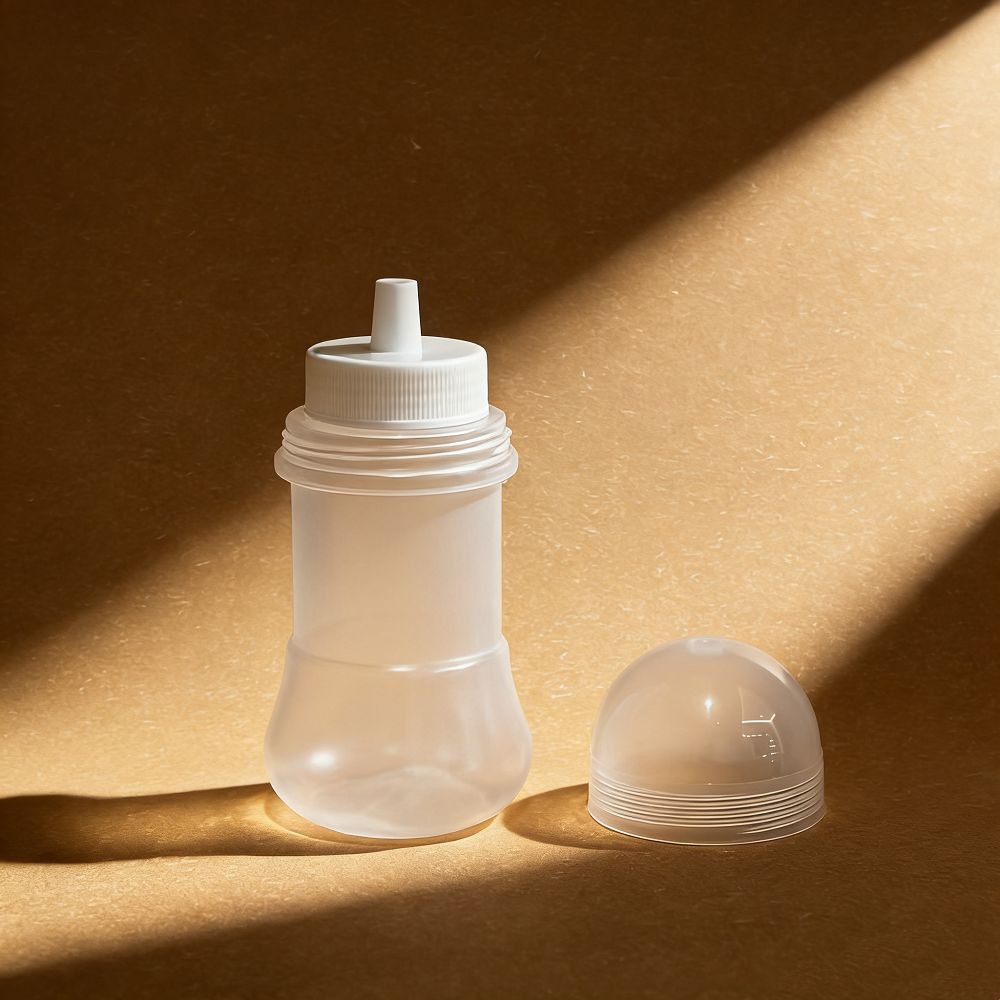
PP (Polypropylene) plastic bottles typically possess the following characteristics:
Material Identification: The triangular recycling symbol located on the bottom of the bottle contains the number 5.
Tactile Qualities: The surface feels smooth, yet possesses a slightly matte or frosted texture.
Heat Resistance: Capable of withstanding high temperatures of approximately 100°C.
Common Applications: Frequently used for yogurt cups, medicine bottles, and microwave-safe food containers.
Distinctions from Other Materials
Key differences between PP material and common PET (No. 1) and HDPE (No. 2) plastics:
Transparency: PP is predominantly semi-transparent, whereas PET is significantly clearer.
Flexibility: PP is relatively rigid (higher hardness), while HDPE is softer and more flexible.
Oil Resistance: PP is suitable for storing food products containing oil.
Recycling Difficulty: The cost of recycling PP is higher than that of PET.
Usage Precautions
Points to note when using PP plastic bottles:
Heating Limits: When microwaving, do not heat for more than 3 minutes.
Cleaning Method: Avoid scrubbing with steel wool or abrasive pads, as this may cause scratches.
Replacement Cycle: Discard and replace the bottle if it begins to appear cloudy or turns white.
Specific Applications: Not recommended for the long-term storage of acidic liquids.