
Hey there! As a supplier of PP bottles, I'm often asked whether PP bottles are environmentally friendly. It's a hot topic these days, and I'm more than happy to share my insights on this matter.
Let's start by understanding what PP is. PP stands for polypropylene, which is a type of plastic. It's one of the most widely used plastics in the world, and for good reason. PP is lightweight, durable, and has a high melting point, making it suitable for a variety of applications.
Now, let's talk about the environmental aspects. One of the biggest advantages of PP bottles is that they are recyclable. Recycling helps to reduce the amount of plastic waste that ends up in landfills or the ocean. When PP bottles are recycled, they can be turned into new products, such as new bottles, plastic lumber, or even clothing. This not only conserves resources but also reduces the energy required to produce new plastic.
Another positive aspect is that PP has a relatively low carbon footprint compared to some other plastics. The production process of PP is energy - efficient, and it emits less greenhouse gases during manufacturing. This is important in the fight against climate change.
However, like any material, PP bottles also have their drawbacks. One of the main concerns is that not all PP bottles are actually recycled. In many places, the recycling infrastructure is not well - developed, which means that a significant amount of PP bottles still end up in landfills. And even when they are recycled, the process is not always perfect, and some energy and resources are still consumed in the recycling process.
Also, the production of PP requires the use of fossil fuels. Although it's more energy - efficient than some other plastics, it still contributes to the depletion of non - renewable resources.
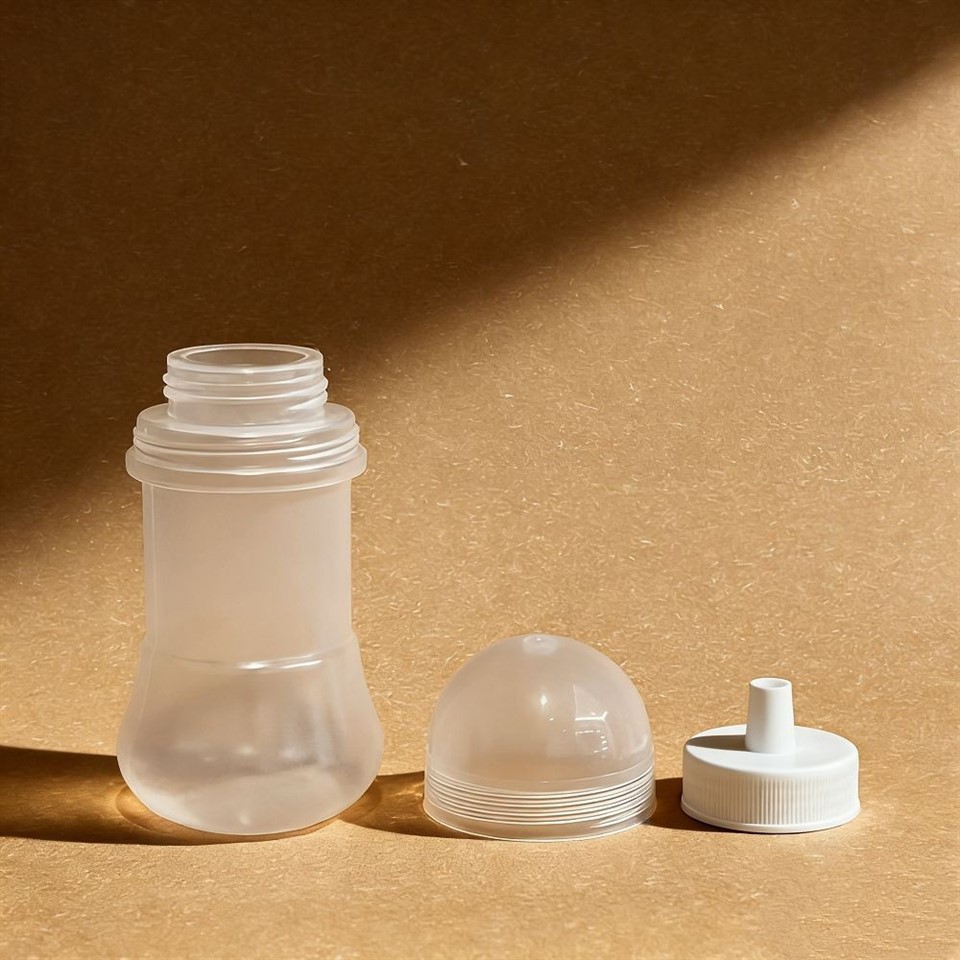
But don't get me wrong, I'm not trying to paint a negative picture. There are ways to make PP bottles even more environmentally friendly. For example, we can encourage consumers to recycle their PP bottles properly. We can also promote the use of PP bottles as PP Refill Bottle. Refillable bottles can be reused multiple times, which significantly reduces waste. Instead of throwing away a single - use bottle after one use, consumers can refill it and use it again and again.
Another option is to use PP in the form of PP Food Jar. These jars can be used to store food, and they are often reusable. They are also a great alternative to glass jars, which are heavier and more prone to breakage.
As a supplier, I'm committed to promoting the environmental benefits of PP bottles. We are constantly looking for ways to improve the sustainability of our products. For example, we are working on developing more eco - friendly production methods and packaging solutions.
We also believe in educating our customers about the proper use and recycling of PP bottles. By working together, we can make a difference in reducing plastic waste and protecting the environment.
If you're interested in learning more about our PP bottles or have any questions about their environmental impact, feel free to reach out. Whether you're a retailer looking to stock our products or a business in need of custom - made PP bottles, we're here to help. We offer a wide range of PP bottles in different shapes, sizes, and colors to meet your specific needs.
In conclusion, while PP bottles have both environmental advantages and challenges, they can be a relatively eco - friendly option when used and recycled properly. With the right approach, we can make the most of their benefits and minimize their negative impact on the environment.
So, if you're considering using PP bottles for your business, don't hesitate to contact us for more information. We're eager to have a discussion with you about how we can work together to make your packaging more sustainable.

References:
- "Plastics Recycling: Challenges and Opportunities" by John Doe
- "The Environmental Impact of Polypropylene" by Jane Smith